
Stock photography by Mark Stebnicki / Pexels.
There is more happening than meets the eye
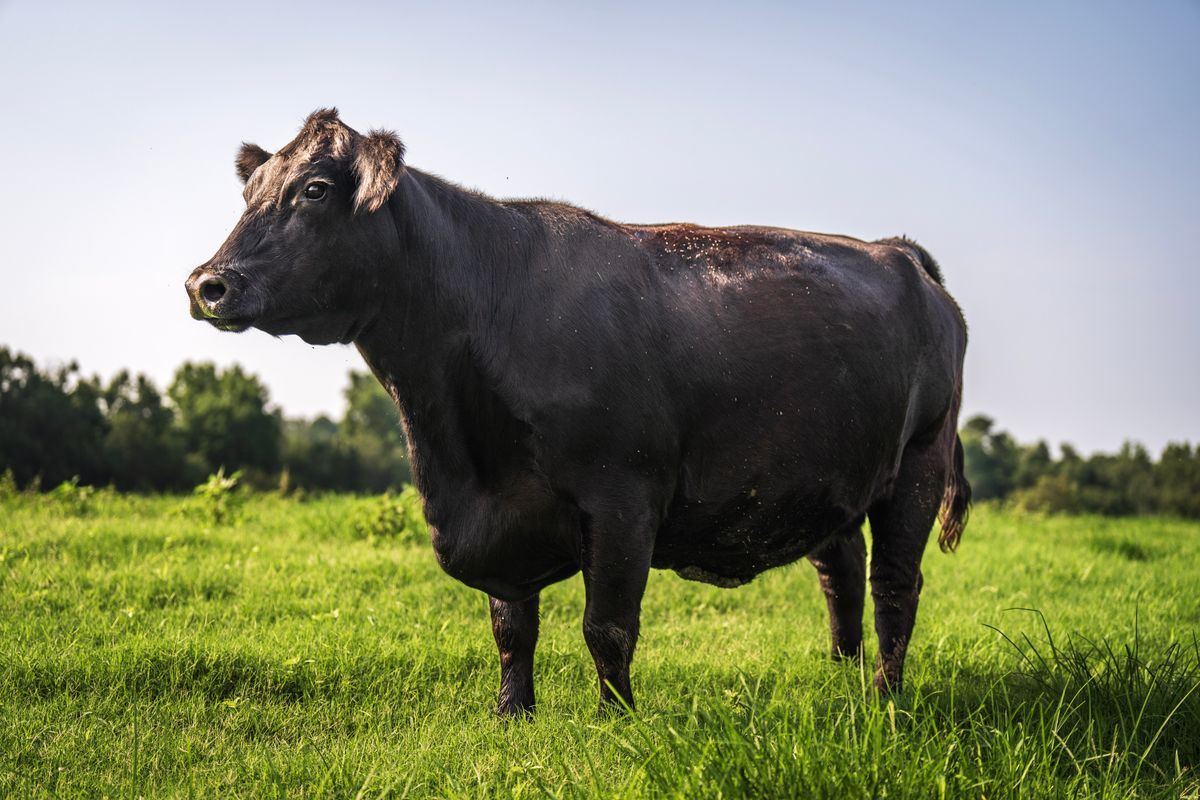
A cow resting in a pasture may look as though it has finished eating. Watch its jaw, though, and you may see it moving steadily. That quiet chewing is part of rumination: bringing previously swallowed feed back to the mouth, chewing it again, and swallowing it once more. The familiar phrase “chewing the cud” describes an important step in how cattle use fibrous plants.
Grass is not an easy meal for every animal. Its structure includes tough plant fiber. Cattle belong to a group called ruminants, whose digestive system works with microorganisms to make use of that material. Sheep and goats are ruminants too. Understanding this process gives everyday words such as forage, rumination, and fermentation a clearer meaning when reading about cattle.
One stomach, four compartments
People sometimes say a cow has four stomachs. More precisely, its stomach has four compartments: the rumen, reticulum, omasum, and abomasum. Each has a different role. The rumen holds feed and provides an environment where microbial fermentation takes place.
The microbes living there break down feed and produce substances the animal can use for energy. That partnership helps explain why cattle can get nourishment from hay and pasture. It also explains why learning about the digestive system is a useful starting point for understanding cattle nutrition.
Why the second chew matters
Rumination reduces the size of feed particles and mixes them with saliva. Digestion involves more than that repeated chewing, however. Feed continues through other compartments and the intestines, where further breakdown and absorption take place. The omasum absorbs water and other substances; the abomasum uses acid and digestive enzymes.
The next time you notice cattle quietly chewing, think of it as a visible glimpse of a much larger process. A pasture connects plants, microbes, and an animal’s specialized digestive system. This is general agricultural education, rather than a feeding plan: decisions about an individual herd’s ration or health belong with its livestock professionals.
Sources & further reading
- Kansas State University — Livestock Challenge: Ruminants!
- Mississippi State University Extension — Understanding the Ruminant Animal Digestive System
General educational content prepared with AI assistance and checked against the sources above. It does not describe practices at Second Chance Ranch.